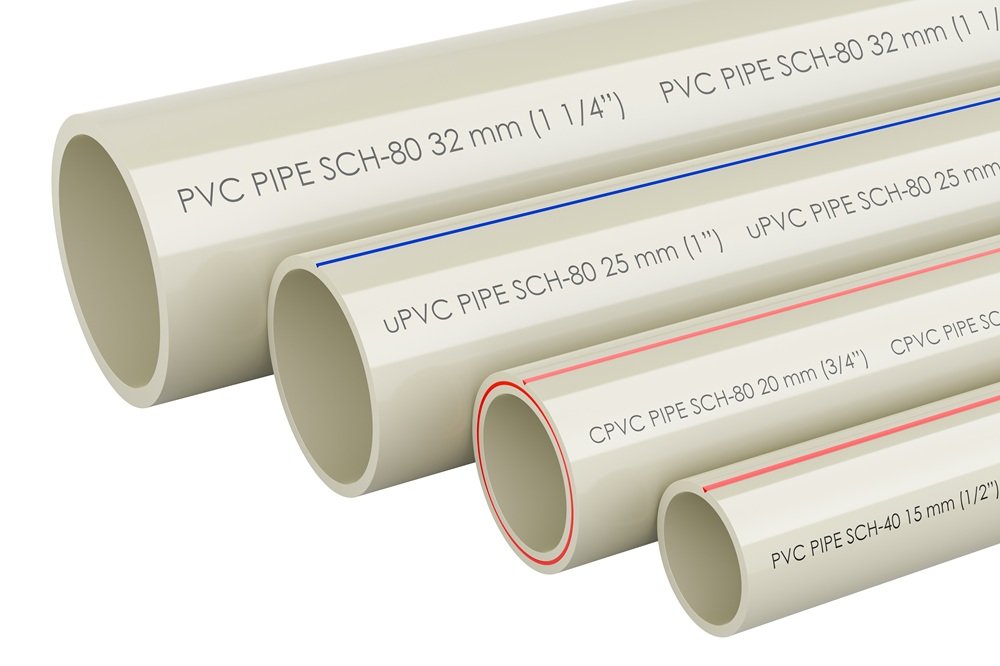
1/2 inch CPVC Pipe
Ideal for residential cold and hot water supply. Compact, durable, and perfect for bathrooms and kitchens.
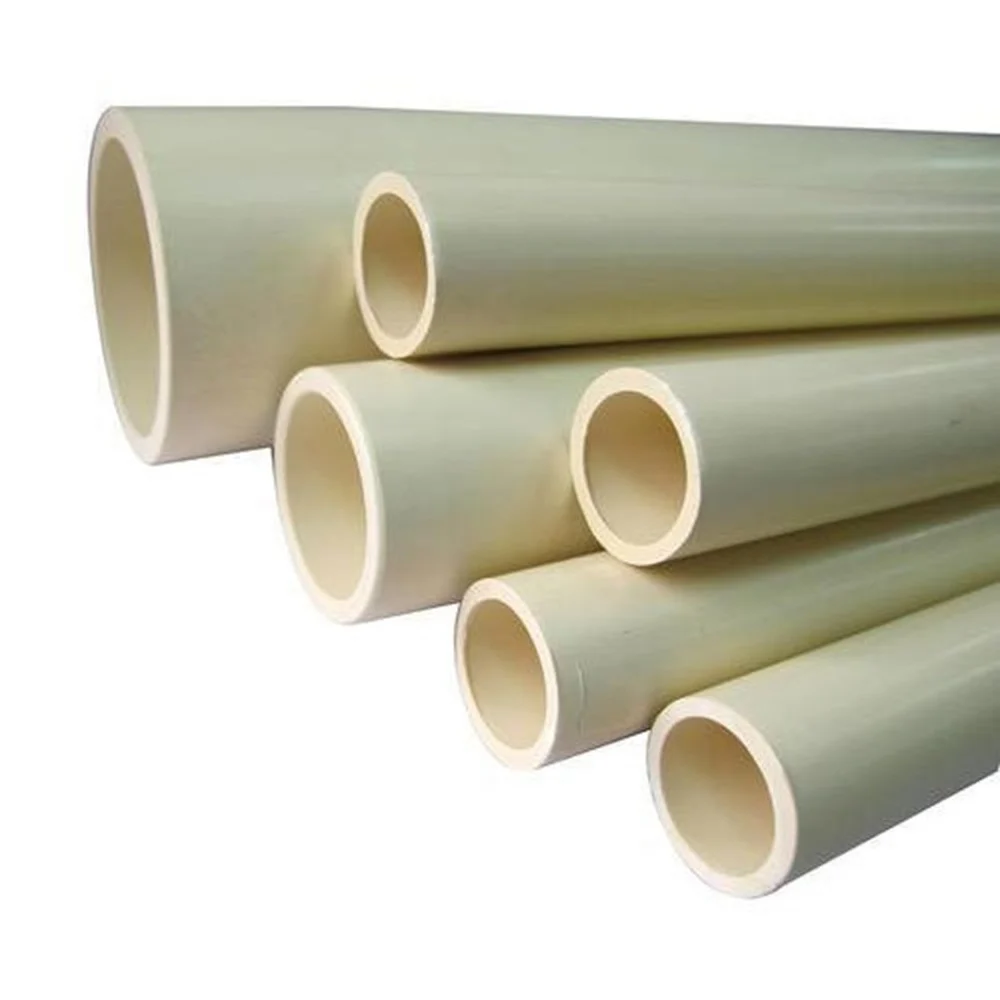
3/4 inch CPVC Pipe
Commonly used for slightly higher water flow in homes and apartments. Strong and leak-proof.
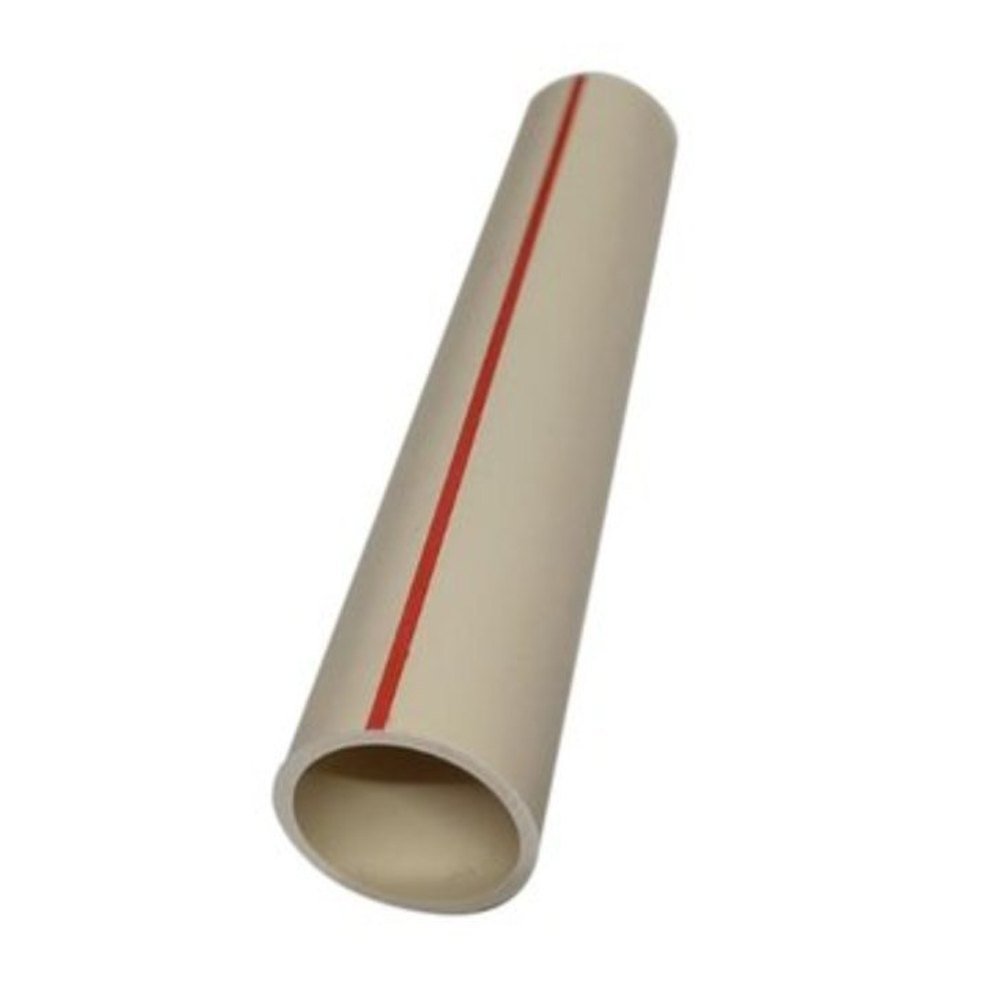
1 inch CPVC Pipe
Suitable for main water supply lines and building connections. Withstands high pressure and temperature.
1 1/4 inch CPVC Pipe
Perfect for mid-sized commercial plumbing and overhead water lines. Reliable under heavy usage.
1 1/2 inch CPVC Pipe
Used in large residential buildings and light industrial plumbing. Tough and corrosion-resistant.
2 inch CPVC Pipe
Heavy-duty pipe ideal for high-pressure water distribution in industrial or large commercial projects.

Fire Proof
CPVC has the ability to self-extinguish and does not catch fire when exposed to fire because of the high limiting oxygen index (i.e. 60). It does not burn but turns carbonized black when heat is applied.

Low Thermal Expansion & Contraction
Less expansion of CPVC pipe when hot water runs. Hence less expansion loop required & less looping & snaking.

Resistance to Scaling
CPVC has a smooth inner surface. Hence C factor is very high as compared to Copper, Steel & GI (i.e. 150). Higher C value means less friction, less head loss and no scaling.

Lower Heat Loss
CPVC has low thermal conductivity and possesses excellent warming and cooling effects with no condensation.

Corrosion Resistance
CPVC is resistant to corrosion, rust and tube clogging. CPVC is resistant to chemicals like acids, bases, salts and halogens.

UV Resistant
CPVC plumbing system has very good UV resistant property. Hence limited to a surface discoloration, no breakdown of polymer chain, no significant loss in pressure bearing capacity. For further protection apply a single coat of water base paint if it is exposed to sunlight.

NSF Approved
CPVC is non toxic and antibacterial.Certified by NSF. Hence it is suitable for potable water systems.

Effect of Chlorine
Chlorine, a commonly used chemical to treat water in India is corrosive in nature. CPVC is unaffected by chlorine in water supply.

Easy Installation
Simple solution jointing system. No special tools required for jointing. Easy repairable/modifiable after installation.

Tough, Rigid Material
CPVC has much higher strength than other thermoplastic used in plumbing applications. Hence it requires less support, no snaking, suitable for vertical plumbing & high pressure bearing capacity.